How we're using music to celebrate positive climate change action in schools
How we're using music to celebrate positive climate change action in schools
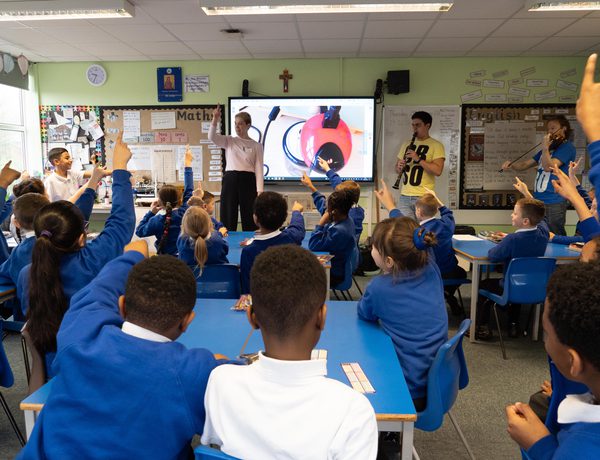
For the last two years, we have been delivering a schools' programme across Birmingham which is centred around the theme of climate change and the environment.
Thanks to the generous support from the JABBS Foundation, the project launched in the 2023/24 academic year and this year enters its third and final year, delivered in partnership with the Birmingham Institute of Forest Research (BIFoR) at the University of Birmingham.
The project involves working with pupils from three Birmingham primary schools - Water Mill, Cotteridge, and St Jude’s Catholic Primary. Together with CBSO musicians, local artists and environmental experts, we have been working with the pupils to develop a unique album of new music that celebrates positive actions we can take to address the climate crisis.
Over the course of the three years, each school will take part in a rich programme of CBSO performances, creative sessions, and vocal workshops. The project will conclude with participating pupils coming together to perform their newly created music at Symphony Hall in the summer of 2026.
Image gallery
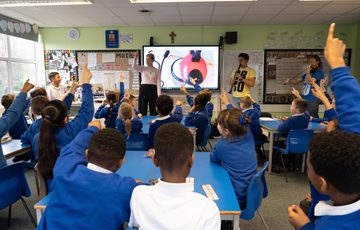
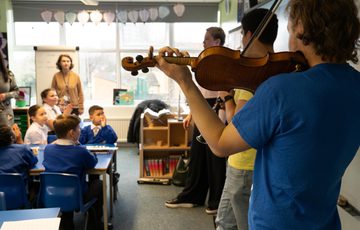
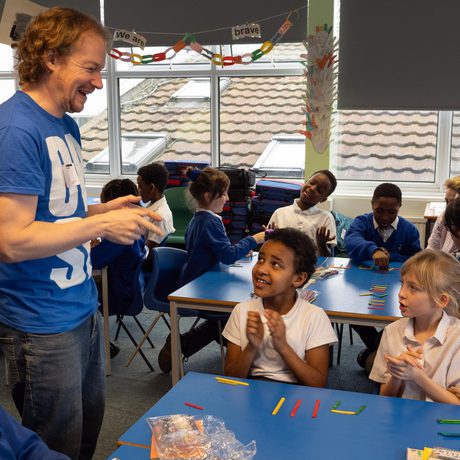
Year One (2023/24) – Launch and First Compositions
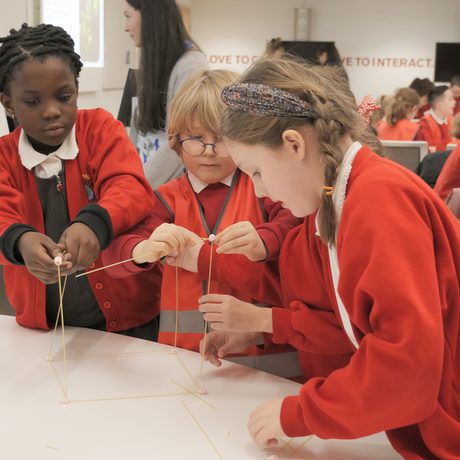
The project launched on 11 January 2024 with the Year 4 pupils at Water Mill, Cotteridge and St Jude’s coming together for a visit to the University of Birmingham. They met Professor Jerry Pritchard and Dr Samantha Dobbie from BIFoR, accompanied by members of the CBSO team, to learn about how trees store memory in their genes and how environmental change can affect their survival.
Back in school, they began their creative workshops. Pupils met CBSO Creative Lead Claire Henry and supporting CBSO musicians to begin working on their music inspired by their environmental learning. During these workshops, they also met local composer Bobbie-Jane Gardner, who worked closely with Claire Henry and the pupils to transform their creative ideas into written compositions.
Each school created their own piece of music, which was taught to all three schools across five vocal workshops. At the end of the final vocal workshop of the term, parents were invited to a showcase at each school to get a small taste of the work they had completed with the CBSO across the two terms and to get a better understanding of what was to come.
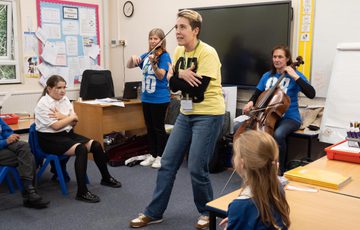
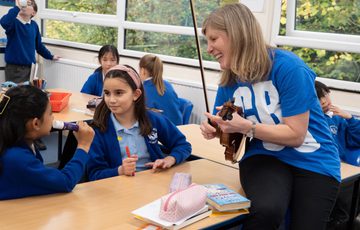
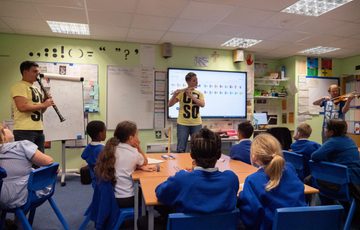
To conclude the first year of Climate Funk! CBSO musicians Jane Wright, Kate Setterfield, and Jeremy Bushell visited all three schools to perform to every pupil in the school, introducing them all to the work of the CBSO.
Image gallery
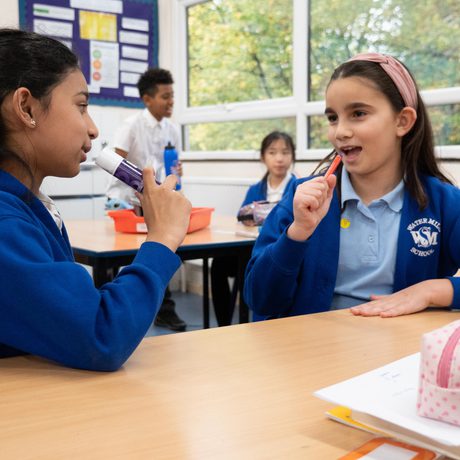
Year Two (2024/25) – Deepening the Science, Enriching the Music
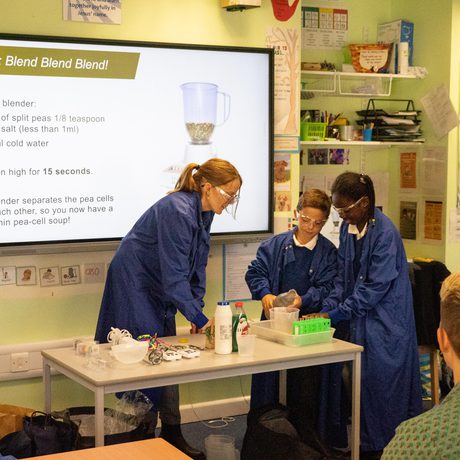
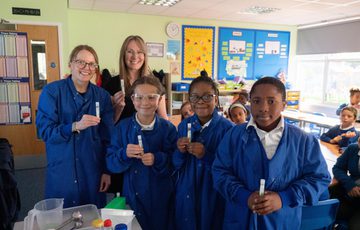
In October 2024, the pupils welcomed Dr Samantha Dobbie and Claire Henry back to lead a science workshop, including an experiment extracting DNA from a pea. This strengthened pupils’ understanding of plant biology and its link to climate change, developing on their work with BIFoR from the previous academic year.
With a stronger understanding of the science, Claire, Bobbie, and CBSO musicians continued the term working with the pupils on another round of creative workshops to develop more music. With their scientific knowledge strengthened, the pupils across all three schools created a collaborative composition that tells the story of how trees can switch off their genes to survive extreme climate conditions.
Throughout the Spring 2025 term, Bobbie finalised the composition for the pupils to begin work on in their Summer term vocal workshops, led by choral conductor David Lawrence.
To conclude the second year of Climate Funk!, pupils returned to the University of Birmingham for further scientific explorations. This was the first time all three schools had come together following the project launch visit in January 2024 and was also the first opportunity for the pupils to perform their compositions all together as one choir.
Following their sharing session, pupils got to explore the university’s campus, taking part in various workshops, including lumen photography and investigating fossils.
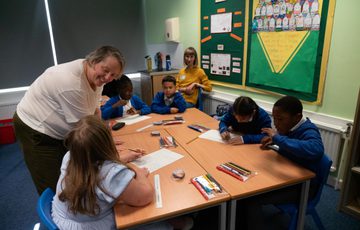
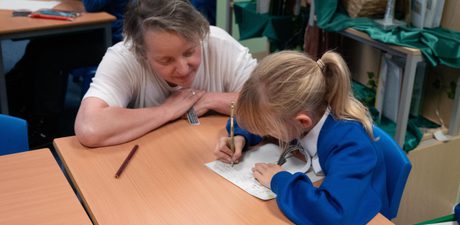
Working with a single class over the three years is such an incredibly powerful thing to be able to do, as strong connections with the students are built as we get to know each other better. Our music workshops are always filled with fun, musical games and live music from the CBSO musicians. All the ideas for our final composition come from the students themselves with guidance from us.
Jane Wright, Sub-Principal First Violin
Image gallery
Year Three (2025/26) – Bringing It All Together
As the pupils enter Year 6 in September 2025, they will receive their third and final round of creative workshops with Claire and CBSO musicians, with each school also receiving a visit from composer Bobbie and choral conductor David. They will work to create a final collection of music to culminate everything they have learnt across their time working with the CBSO and BIFoR on the Climate Funk! project.
Bobbie will spend the Spring term transforming their creative ideas into their final compositions on the project. Whilst Bobbie is busy composing, each school will receive another ensemble visit of CBSO musicians to give every pupil from every year group at each school the opportunity to experience a high-quality live orchestral performance.
Summer 2026 will see the Year 6 pupils reunite for vocal workshops with David Lawrence to learn and polish their final programme. The project will culminate on Friday 12 June 2026, when pupils take to the stage at Symphony Hall alongside a 10-piece CBSO ensemble for a free, celebratory performance open to families and the school community.
A Lasting Impact
Through Climate Funk!, pupils are developing musical skills and also deepening their scientific understanding and creativity, building confidence, and learning how the arts can inspire action on one of the most important issues of our time. By the final performance in June 2026, these young musicians will have created a remarkable musical legacy - one that celebrates both the power of collaboration and the hope of a greener future. Our grateful thanks to the JABBS Foundation for their support of this project.