Celebrating Bernstein: West Side Story & Beyond
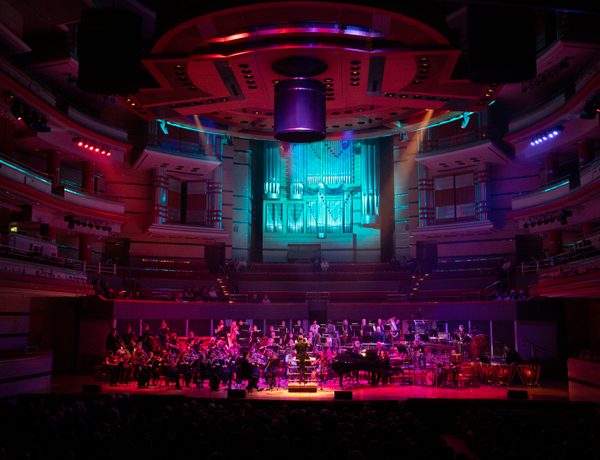
Programme to include:
- Candide: Candide Overture (5mins)
- Candide: Oh, Happy We (3mins)
- Candide: Glitter and Be Gay (8mins)
- On the Waterfront: Symphonic Suite (23mins)
- Divertimento (15mins)
- West Side Story: I Feel Pretty (4mins)
- West Side Story: Something’s Coming (3mins)
- West Side Story: Balcony Scene, Duet (Tonight) (4mins)
- West Side Story: Symphonic Dances (24mins)
Performers

Carlos Miguel Prieto
Conductor
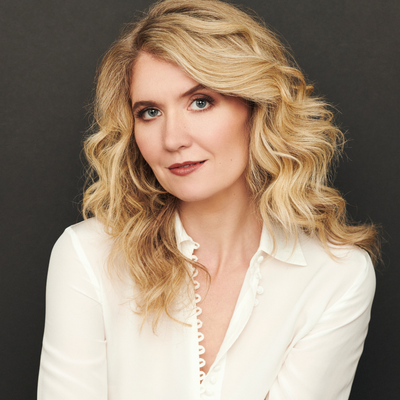
Scarlett Strallen
Vocalist
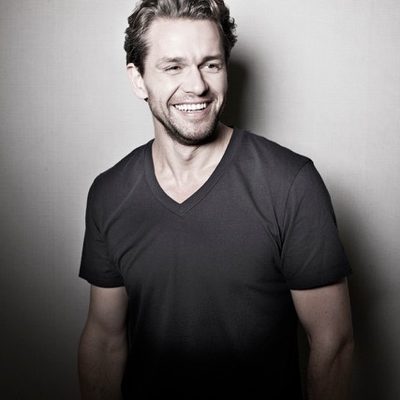
Julian Ovenden
Vocalist
Introduction
I have long admired Leonard Bernstein, whose multifaceted influence can still be felt today. I saw him conduct once in Mexico City, and it changed my life.
Tonight’s programme offers a look into three facets of Bernstein’s music. It includes a suite from his powerful film score, “On the Waterfront” from 1954. This is an urban crime tale of two star crossed lovers, Terry and Eddie, set in the slums and docks of Hoboken post-World War II. I have always wondered why this piece is not standard repertoire, being his only film score filled with energy and drama (thanks to this, I have been able to programme it often).
The Presto Barbaro part is perhaps the wildest and roughest music Bernstein ever wrote. The combination of saxophone and percussion is New York jazz at its best, and the love theme is (yet again!) an impassioned lament of forbidden love. The suite really captures the best of this inspired film score and is a true “tour de force” test for a virtuosic orchestra such as the CBSO!
Over the last decade, I have been blessed to conduct all of Bernstein’s purely symphonic music. It goes from the most spiritual, deep, and meaningful (Age of Anxiety, Kaddish Symphony) to the rollicking fun of Divertimento, in tonight’s concert. Written as a love letter to the Boston Symphony on its centennial celebration in 1980, it is a series of loosely autobiographical sketches and dances, which starts with a ceremonial Elizabethan flourish for brass and ends on a solemn, bittersweet march called “The BSO forever/ In Memoriam”. This movement includes a quiet flute meditation for past orchestra members and ends with great swagger and pomp. Bernstein celebrates the fabled orchestra’s centennial by “roasting” it with incomparable wit, humour, nostalgia, and a collection of bouncy rhythms that are simply loads of fun.
Bernstein wrote six major Broadway musicals, of which two are on display tonight. In his quest to modernize classics such as Voltaire (Candide) and Shakespeare (Romeo and Juliet turned into West Side Story), he decided to set the first in a wild collection of places, giving him the chance to celebrate and give singers, dancers, and musicians ample opportunity to show off their multiethnic musical skills. Bernstein never forgot that, while being an iconic American musician, he was the son of immigrants.
Shortly after Bernstein’s passing, I went to a memorial concert by the New York Philharmonic. I was moved and astounded to see this great orchestra open the concert by playing Candide Overture without a conductor, with all of Bernstein’s idiosyncrasies and tempi (this tradition remains to this day). Fifteen years later, in 1997, I did my professional debut conducting the Symphonic Dances from West Side Story. I would like to thank the CBSO for the chance to further explore Bernstein’s works and especially for paying homage to a great musician, leader, and educator.
Carlos Miguel Prieto
Conductor
Bernstein Fun Facts
A quick rise to fame
Bernstein was appointed assistant conductor of the New York Philharmonic in 1943 at the age of 25, the first American and youngest candidate yet in the role. A few months in, Bernstein was asked to step-in to conduct a concert last minute as the guest conductor had fallen ill. The performance received high praise and a top review in The New York Times, launching Bernstein’s career overnight.
A failed Broadway show
Candide was a light opera fashioned out of an eighteenth-century French satire by Voltaire. It opened on Broadway in 1956 and after a disastrous premiere, running for just 73 performances over two months, the show closed. However, the overture, like the entire opera and Bernstein’s career, is highly eclectic and became one of Bernstein’s most popular concert pieces.
Celebrating a centenary
Divertimento is an orchestral piece from 1980 and a celebratory romp through a series of musical styles – dances, classical forms, blues riffs – enlivened by some playful ‘Bernsteinisms’. It was commissioned for the centenary of the Boston Symphony Orchestra, with which Bernstein had had a long association and each movement is based on the notes of ‘B’ (for Boston) and ‘C’ (for Centennial).
Bernstein’s first film score
In 1954, Bernstein accepted an invitation to write the film score for Sam Spiegel’s On the Waterfront. It is Bernstein’s only Hollywood film score and was turned into a Suite shortly after its release. Listen carefully to the score, you may hear similarities and perhaps the starting ideas for West Side Story.
Based on Shakespeare
Did you know Bernstein’s West Side Story is a retelling of Shakespeare’s play Romeo and Juliet? The musical follows two rival street gangs in Manhattan, New York: the Jets and Sharks. It was composed alongside Candide and, fortunately, was considerably more successful than the earlier work, lasting for 732 performances in its first run.
Featured image © Andrew Fox