The CBSO & the Orchestral Qawwali Project
Performers

Melvin Tay
Conductor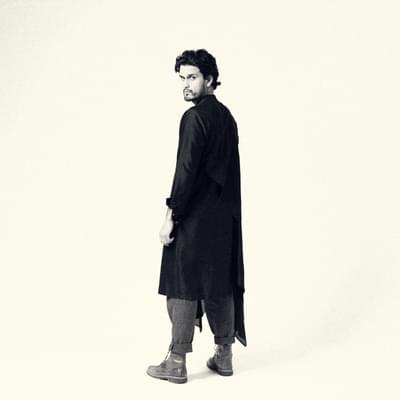
Rushil Ranjan
Composer / Arranger / Piano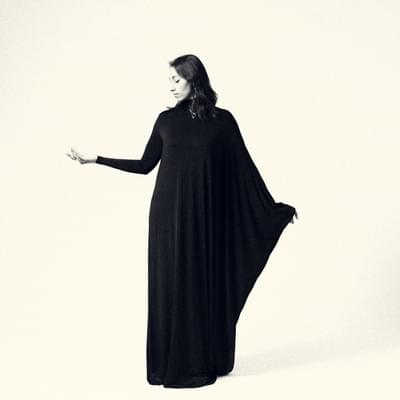
Abi Sampa
Lead Vocalist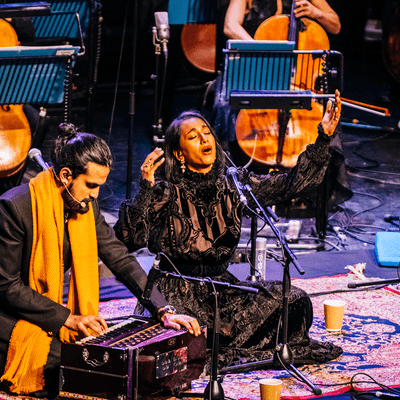
Orchestral Qawwali Project
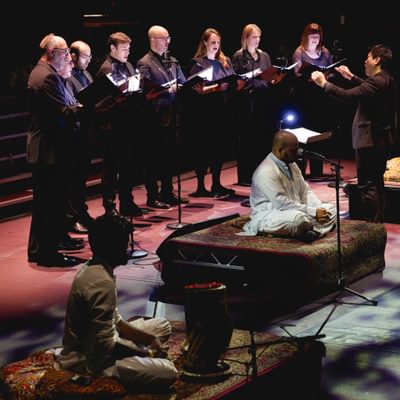
London Voices

Janan Sathiendran
Tabla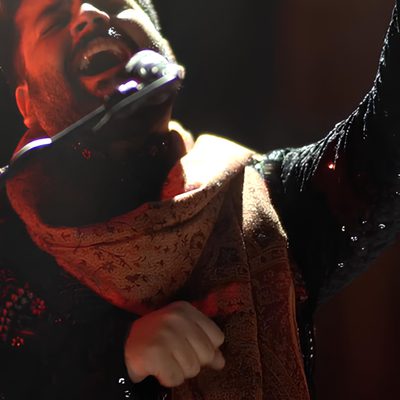
Sarthak Kalyani
Vocalist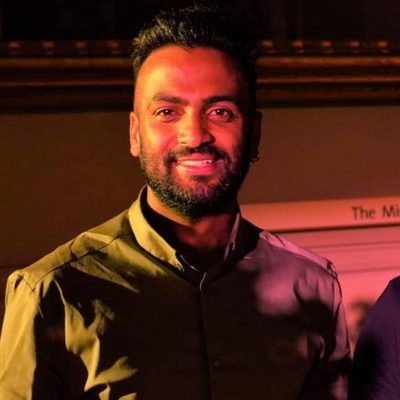
Jatinder Kwatra
Vocalist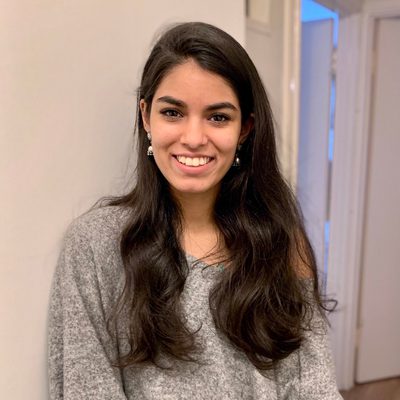
Vibhati Bhatia
VocalistRamandeep Singh
Vocalist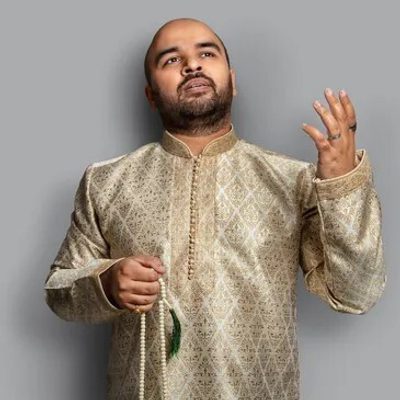
Shahid Abbas Khan
Vocalist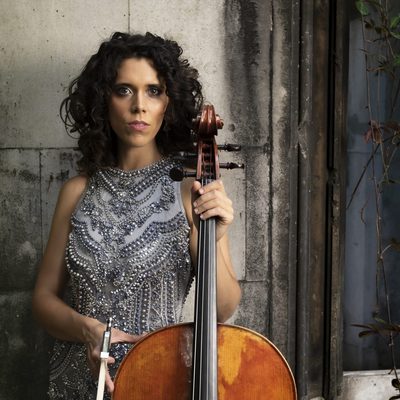
Lydia Alonso
Cello
Introduction
When Abi and I brought the Orchestral Qawwali Project to Birmingham in 2023, we were equal parts nervous and excited. Truth be told, it was my first time writing for a symphony orchestra and most of the repertoire had never been performed before. In addition, we were preparing to play to one of the most passionate Qawwali audiences in the world: the people of Birmingham. Suffice to say, the stakes felt high.
Nothing, therefore, could have prepared us for just how phenomenally brilliant, generous and capable the musicians of the City of Birmingham Symphony Orchestra are. In their hands—and through the rapturous vocals of Abi Sampa—the music leapt off the page with colour and life in a way that I had only dreamt of.
And then there was the audience. We were met with a warmth that we never could have predicted. It was particularly special to discover that a huge majority of that audience had never seen an orchestra perform before. This tells a story that we, along with the CBSO, are proud to be part of: one where ancient musical traditions meet new ears, and where orchestral music becomes a space of welcome, wonder, and shared curiosity.
Tonight’s programme is a continuation of our shared artistic vision. In addition to playing some of our existing repertoire, we will include new pieces that we have written since our last concert, as well as some works that have never been performed before.
The privilege of performing this music and meeting audience members across different cities has helped me discover a deeper meaning that underpins our work. Qawwali and Western classical music, on the surface, appear to be disparate art forms that are almost antithetical in their practices. One is rooted in the oral tradition of improvisation and monophonic melody, while the other relies on fixed structures and detailed harmonic content. Yet, despite originating oceans apart, they ultimately evolved to meet the same need for affinity, community, and divinity. The best of both traditions reflects something timeless and profound about the human condition, allowing us to connect with our inner spirituality. It is this connective tissue that makes them such faithful sonic (if not unlikely) sonic companions. My sincere hope is that the music I have written shines a light on this, and therefore on our shared and collective experiences.
I can honestly say that I could not conceive of a better collection of musicians and artists to perform it. Tonight, we are conducted by the brilliant Melvin Tay and are joined by the incredible singers of London Voices, who bring an entirely new dimension to the music. And as always, we are led in song by the phenomenal voice of Abi Sampa.
Thank you for your continued support and I hope you enjoy the concert.
Rushil Ranjan
Composer / Arranger / Piano
Programme notes
Widely regarded as the biggest step forward for the art-form in decades, the Orchestral Qawwali Project has captivated audiences through its unique combination of Sufi poetry, Indian Classical dance and orchestral arrangements. Written and directed by composer Rushil Ranjan, the Project features the soaring vocals of Abi Sampa in effortless combination with rich orchestral arrangements performed by the CBSO.
Qawwali is a traditional form of South Asian spiritual music that first emerged in the 13th century. Through rhythmic and hypnotic repetitive chanting and virtuosic singing it aims to lead its listeners to spiritual rapture.
The word “qawwali” itself is derived from the Arabic word “qaul” meaning utterance. It is so named to emphasise the centrality of lyrics and shyari (poetry) to the genre. This makes sense given qawwali’s original purpose was to spread the teachings and philosophy of Sufi saints around the Indian subcontinent. It was therefore traditionally performed at shrines and tombs of Sufi saints to audiences of devotees.
Chief amongst these saints is Amir Khusrau (also credited with inventing the tabla and sitar). Widely considered to be the “father” of qawwali, his poetry is considered to be some of the most important in the Sufi canon.
During its nascent and largely ritualistic stages, qawwali was only performed by men and the use of any instruments was prohibited. Over the centuries however, it has evolved to include tablas, dholaks and the south-asian harmonium. It has also moved from shrines to stages, concert halls and festivals around the world. Furthermore, much like the profound influence American gospel has had on popular and soul music in the West, qawwali has had an immeasurable influence on popular music in South Asia.
This explosion in popularity and influence can largely be attributed to Ustad (a title equivalent to maestro) Nusrat Fateh Ali Khan. Together with tabla player Dildar Hussein and harmonium player, Farrukh Fateh Ali Khan, Nusrat took the world by storm, performing at the largest and most prestigious festivals and concert halls in the world and popularising qawwali amongst audiences regardless of their background.