Charlie Chaplin's The Gold Rush with Live Orchestra
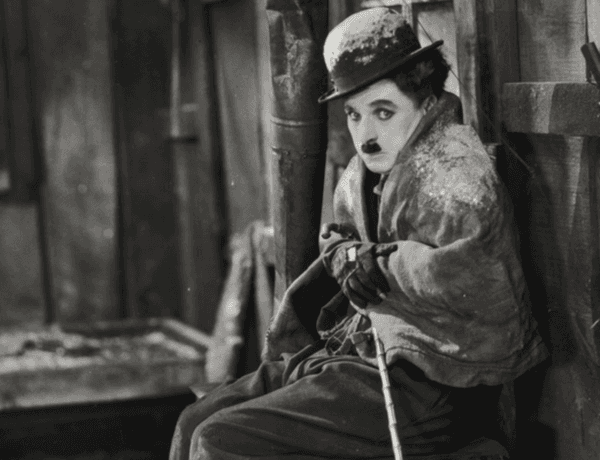
Full programme
- The Gold Rush (88mins)
Performers
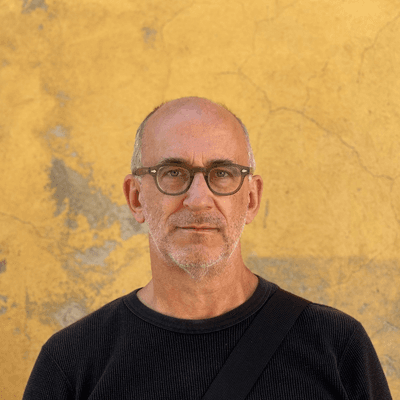
Timothy Brock
Conductor
Introduction
Not many people, including many film buffs, know that Charlie Chaplin was a musician and the composer of the full-orchestral scores to his own films. In fact, Chaplin was a musician long before he decided to become an actor in films. Like his parents before him, he grew up on stage in the Edwardian-era music halls, where he learned the craft of musical accompaniment for a variety of comedians before applying his own skills as a composer.
Charlie wrote his first film score in 1931, for his iconic film CITY LIGHTS (1931), and was incredibly smitten with the idea ever after. Having been bitten by the film-composer bug, he wrote a full score to every new feature after that and, retroactively, for his previous silent-features as well.
The Gold Rush (1925) is a particularly good example of Chaplin’s skill as a composer and more generally how he felt music should work in film. Charlie believed that music should underline or frame a comedy. He felt that most musicians never understood this and lamented the composer who tried to write “funny” music, overwhelming the scene and burying the subtlety and finesse of his brand of comedy. Chaplin the composer never tries to compete with Chaplin the actor, and even the most absurd comedy routines are met with music of refinement and dignity, no matter the absurd conditions.
The score to The Gold Rush is a masterclass in silent film accompaniment. It serves to not only accompany the balletic movement and gestures of its characters, but it also contains sound-effects and even mimics on-screen dialogue - thereby rendering an actual soundtrack superfluous. It is also notable that there are a number of passages that include music of other concert-hall composers, namely Rimsky-Korsakov, Wagner and especially Brahms. Chaplin was an avid listener of great music and befriended many great musicians his entire life.
Restoring the score to The Gold Rush was my sixth Chaplin score I had done for the Chaplin family, one of 15 overall since 1999. Silent-film performances are a special occasion and I look forward to bringing this beautiful 100-year-old film to the great city of Birmingham. Step back in time and let this Klondike adventure take hold as it was originally intended, with a live orchestra. And what an orchestra!
Timothy Brock
Conductor
Charlie Chaplin
Born in 1889 in London, Charlie Chaplin is known as one of the biggest starts of silent films. He was known to act, direct, write for screenplay and even compose. He was most famous for mixing comedy with poignant social themes and his first film success, Kid Auto Races at Venice (1914), birthed the character he would forever be known for: The Tramp.
The Gold Rush
Released in 1925, The Gold Rush was written, produced and directed by Charlie Chaplin. It is set during the gold rush in the 1880s, when many sites depositing gold were discovered in the United States, Australia, Canada and South Africa. The film is set in the Klondike Gold Mine in Alaska and it is said that Chaplin took inspiration from the Donner Party, American pioneers that turned to cannibalism, with Chaplin finding comedy in tragedy, starvation and loneliness throughout the film. The Gold Rush was re-released in 1942 with added sound effects, music and narration, resulting in Academy Award nominations for Best Music Score and Best Sound Recording.
Fun Facts
The famous scene where Chaplin eats his shoe was in fact made of liquorice. There were perhaps some sore stomachs after many takes of that scene…
One of the other most iconic scenes in the film is the dancing bread rolls, which has been referenced in many productions since, including The Muppets and The Simpsons.
In 1992, the original film was chosen for preservation in the United States National Film Registry, marking it as one of the most significant movies of all time.